
Folic Acid During Pregnancy: Why It Matters For You And Your Baby
Josephine Kamau
Ecom_admin
Finding out you’re pregnant can bring excitement, but it can also leave you with many questions. You may have heard that you should start taking folic acid, but perhaps you’re wondering:
Is it too late if I’m already pregnant?
Can’t I get enough from food?
Do I need a separate folic acid tablet if I’m taking a prenatal vitamin?
These are common questions, especially for first-time mothers.
Folic acid is one of the first nutrients healthcare providers recommend because it supports your baby’s development during the earliest weeks of pregnancy, often before you even know you are expectant. In this guide, you’ll learn what folic acid is, why it matters, when to start taking it, how much you need, which foods contain folate, and how to choose a suitable supplement available in Kenya.
What Is Folic Acid?
Folic acid is a type of vitamin B9 found in supplements and some fortified foods. Your body needs vitamin B9 every day to function properly. During pregnancy, it becomes even more important as it supports both your health and your baby's development by:
Making new cells
Producing healthy red blood cells
Supporting your baby's growth and development
Besides supplements and fortified food, vitamin B9 is naturally found in foods like leafy green vegetables, beans, lentils, avocados, and oranges. This natural form is called folate.
During pregnancy, your body needs more vitamin B9 than usual. Since it can be difficult to get enough from food alone, healthcare providers often recommend taking a daily folic acid supplement.
Why Is Folic Acid Important During Pregnancy?
During the first few weeks of pregnancy, your baby’s organs begin to develop very quickly. One of the earliest structures to form is the neural tube, which later develops into the brain and spinal cord. This process usually happens within the first month of pregnancy. Many women may not realize they are pregnant during this time. Taking folic acid before conception and in early pregnancy helps ensure your body has enough vitamin B9 available when your baby needs it most.
Folic acid also supports:
Healthy development of your baby’s brain
Formation of the spinal cord
Normal growth of the placenta
Production of healthy red blood cells for both mother and baby
Cell growth during pregnancy
How Folic Acid Helps Reduce the Risk of Neural Tube Defects
One of the best-known benefits of folic acid is helping reduce the risk of neural tube defects (NTDs). These are birth defects that affect the baby’s brain or spinal cord.
Examples include:
Spina bifida
This happens when the spinal cord does not develop properly. Some children may have difficulty walking, while others may need ongoing medical care depending on the severity.
2, Anencephaly
This is a rare condition where parts of the baby’s brain and skull do not develop fully.
Research has shown that getting enough folic acid before pregnancy and during early pregnancy can greatly reduce the risk of these conditions. However, folic acid cannot prevent every birth defect, which is why regular antenatal care remains important throughout pregnancy.
When Should You Start Taking Folic Acid?
Many women think they should begin taking folic acid after seeing a positive pregnancy test. In reality, the best time to start is before becoming pregnant. Healthcare organizations such as the World Health Organization (WHO) recommend that women planning a pregnancy begin taking folic acid before conception.
A simple timeline looks like this:
1. If you’re planning a pregnancy
Start taking folic acid at least one month before trying to conceive.
2. If you’ve just found out you’re pregnant
Start taking folic acid as soon as possible. While starting earlier offers the greatest benefit, taking it after discovering your pregnancy can still help meet your nutritional needs.
3. During pregnancy
Continue taking it according to your healthcare provider’s advice. Many prenatal vitamins contain folic acid alongside other nutrients commonly recommended during pregnancy.
How Much Folic Acid Do Pregnant Women Need?
For most women, 400 micrograms (mcg) daily before pregnancy. Continue taking the amount recommended by your healthcare provider during pregnancy, commonly through supplements or prenatal vitamins.
Some women may need a higher dose. This includes women with:
A previous pregnancy affected by a neural tube defect
Certain medical conditions
Conditions that affect nutrient absorption
Certain medicines that interfere with folate metabolism
Higher doses should only be taken under medical supervision.
Can You Get Enough Folate From Food Alone?
Eating foods rich in folate is an important part of a healthy pregnancy. Good choices include:
Sukuma wiki
Spinach
Terere and other leafy greens
Beans
Lentils
Green peas
Avocados
Broccoli
Oranges
Fortified breakfast cereals
For example, a day’s meals might include oatmeal with fruit for breakfast, beans and sukuma wiki for lunch, and grilled chicken with broccoli for dinner. These foods provide folate along with other nutrients your body needs during pregnancy.
Even so, it can be difficult to get the recommended amount of folate from food alone every day. Folate in foods can also be reduced during storage and cooking. This is one reason healthcare providers often recommend taking a daily folic acid supplement before and during early pregnancy, even if you eat a balanced diet.
Folic Acid Supplements or Prenatal Vitamins: Which Should You Choose?
Many women wonder whether they should buy a folic acid tablet or a prenatal multivitamin. The answer depends on your stage of pregnancy and your healthcare provider’s advice.
Folic acid supplements
These provide folic acid alone and may be suitable for women who:
Are planning pregnancy
Need folic acid only
Have been advised to take a standalone supplement
Examples available at Pharmaplus include:
Prenatal multivitamins
Prenatal vitamins usually contain several nutrients that support pregnancy, including:
Folic acid
Iron
Vitamin D
Iodine
Vitamin B12
DHA (in some products)
One example is:
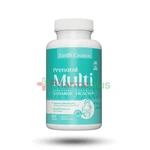
Earth’s Creation Prenatal Multivitamin + DHA Gels, which combines folic acid with other nutrients commonly included in prenatal supplements.
The right choice depends on where you are in your pregnancy journey and the advice you’ve received from your healthcare provider. If you are unsure which option is right for you, speak to your doctor or pharmacist before choosing a supplement. Some women have a greater need for folic acid than others.
Your healthcare provider may recommend a different dosage if you:
Previously had a pregnancy affected by a neural tube defect
Have diabetes
Have obesity
Have conditions that affect nutrient absorption
Take certain anti-seizure medications
Do not increase your dose without medical advice.
Tips for Taking Folic Acid Every Day
Building a daily habit can make it easier to take your supplement consistently. Here are a few ideas:
Take it after breakfast if you already eat breakfast every day.
Set a recurring reminder on your phone.
Keep the bottle somewhere you’ll see it, such as near your toothbrush or beside your kettle (while storing it safely away from children).
Use a weekly pill organiser if you take other medicines or supplements.
If morning sickness makes swallowing tablets difficult, ask your healthcare provider or pharmacist whether taking your supplement later in the day or after a meal may help. Do not stop taking it without seeking advice.
If you forget one day’s dose, simply take your next dose at the usual time. Taking two doses together is generally not recommended unless your healthcare provider tells you to do so.
The Bottom Line
Folic acid is one of the most important nutrients to think about before and during pregnancy.
Starting before conception gives your body time to build healthy folate levels during the earliest stages of your baby’s development. Even if your pregnancy was unexpected, beginning folic acid as soon as you know you’re pregnant is still worthwhile.
A balanced diet rich in folate-containing foods, regular antenatal care, and taking supplements as advised by your healthcare provider all work together to support a healthy pregnancy.
If you’re planning a pregnancy or are already expecting, visit your nearest Pharmaplus branch or shop online at shop.pharmaplus.co.ke to explore folic acid supplements and prenatal vitamins. Our pharmacists can help you choose a product that matches your healthcare provider’s recommendations and answer any questions you may have about using it safely.
Share This Article
About the Author
Josephine Kamau
Ecom_admin
Healthcare professional dedicated to improving patient outcomes through education and research.
Related Articles
Nourishing Breast Milk
Samuel Clinton
Ecom_admin
Comments (0)
No comments yet. Be the first to comment!